BASED IN
Los Angeles
Available worldwide
© Georgia Clelland 2026
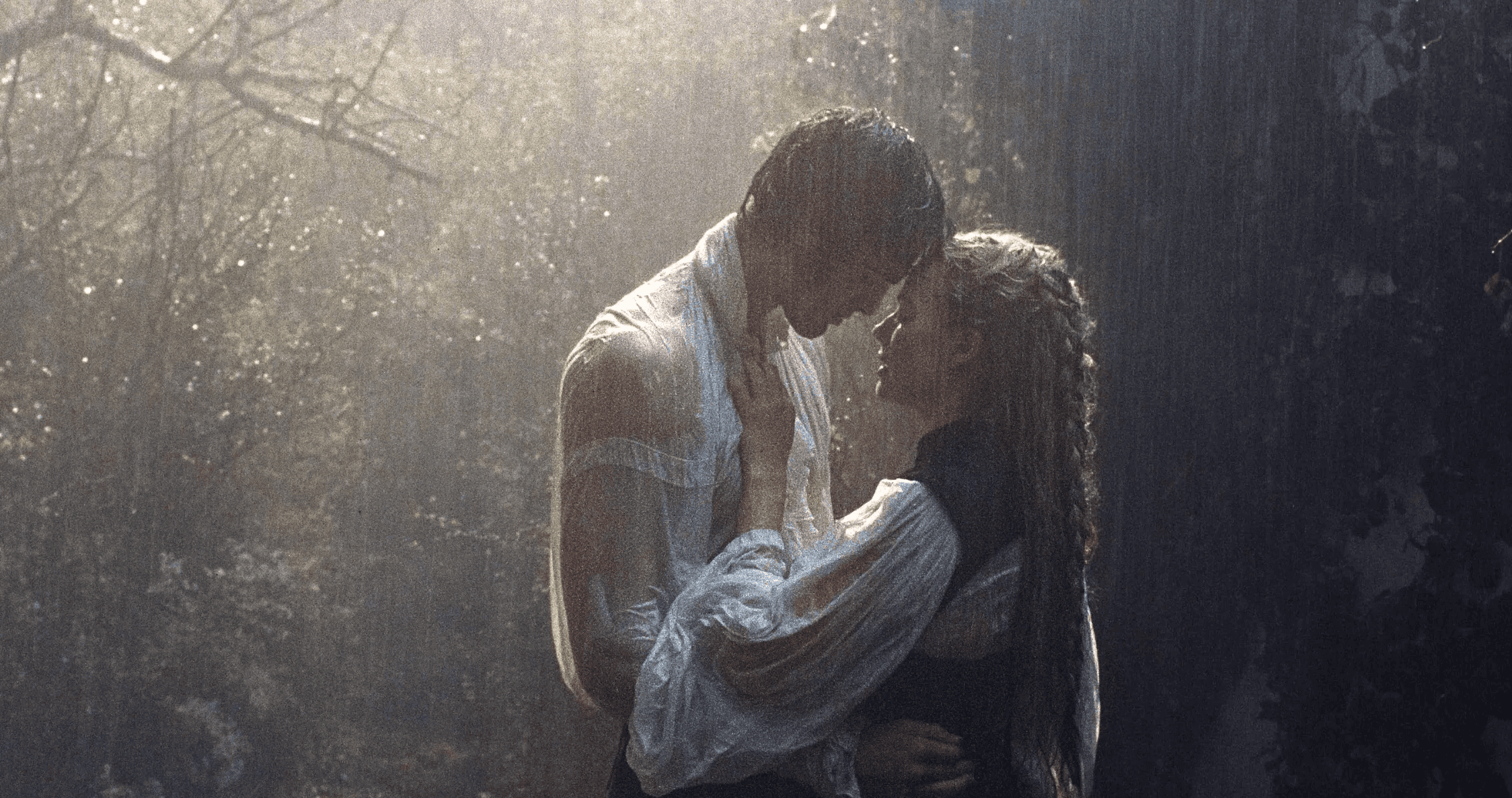
The Chaste Moor: Why Robbie & Elordi’s Remake Fails to Deliver the Promised Chaos
Marketed as a feral, obsessive reimagining, the new adaptation leaves audiences waiting for the heat.
The Chaste Moor: Why Robbie & Elordi’s Remake Fails to Deliver the Promised Chaos
The Chaste Moor: Why Robbie & Elordi’s Remake Fails to Deliver the Promised Chaos
Marketed as a feral, obsessive reimagining, the new adaptation leaves audiences waiting for the heat.
uthering Heights wasn’t raunchy enough. There, I said it.
W
W
uthering Heights wasn’t raunchy enough. There, I said it.
After months of marketing that all but promised a cinematic climax on the Yorkshire moors, the new Wuthering Heights starring Margot Robbie and Jacob Elordi left me doing something I did not expect: Waiting for it to get hotter.
The trailer sold this as feral, obsessive, body-heat-fogging-up-the-windows cinema. We are living in a post-Heated Rivalry world, where two gay hockey players on HBO can barely keep their hands off each other’s naked bodies and nobody blinks. We are drowning in on-screen smut, so when the promos for Wuthering Heights teased sweat, longing and near-orgasmic close-ups, I assumed we were about to get the sauciest Brontë adaptation ever made.
We did not. There is barely any sex, and when there is, it is mostly clothed, mostly face-up, mostly implied. Suggestive, yes. Scandalous, no. I found myself wondering whether reviewers are collectively prudish or I am simply desensitised by the times we live in.
W
W
uthering Heights wasn’t raunchy enough. There, I said it.
uthering Heights wasn’t raunchy enough. There, I said it.
After months of marketing that all but promised a cinematic climax on the Yorkshire moors, the new Wuthering Heights starring Margot Robbie and Jacob Elordi left me doing something I did not expect: Waiting for it to get hotter.
The trailer sold this as feral, obsessive, body-heat-fogging-up-the-windows cinema. We are living in a post-Heated Rivalry world, where two gay hockey players on HBO can barely keep their hands off each other’s naked bodies and nobody blinks. We are drowning in on-screen smut, so when the promos for Wuthering Heights teased sweat, longing and near-orgasmic close-ups, I assumed we were about to get the sauciest Brontë adaptation ever made.
We did not. There is barely any sex, and when there is, it is mostly clothed, mostly face-up, mostly implied. Suggestive, yes. Scandalous, no. I found myself wondering whether reviewers are collectively prudish or I am simply desensitised by the times we live in.
A little more commitment to the chaos might have helped. Jacob Elordi is compelling, of course. He broods beautifully and looks excellent doing it. But he is not quite the Heathcliff I imagined when I read the novel many moons ago, and I suspect I am not alone in that. Robbie, meanwhile, brings star power and magnetism, yet the chemistry between the pair never quite tips into the all-consuming obsession the story hinges on. The tension the marketing promised never fully materialises.
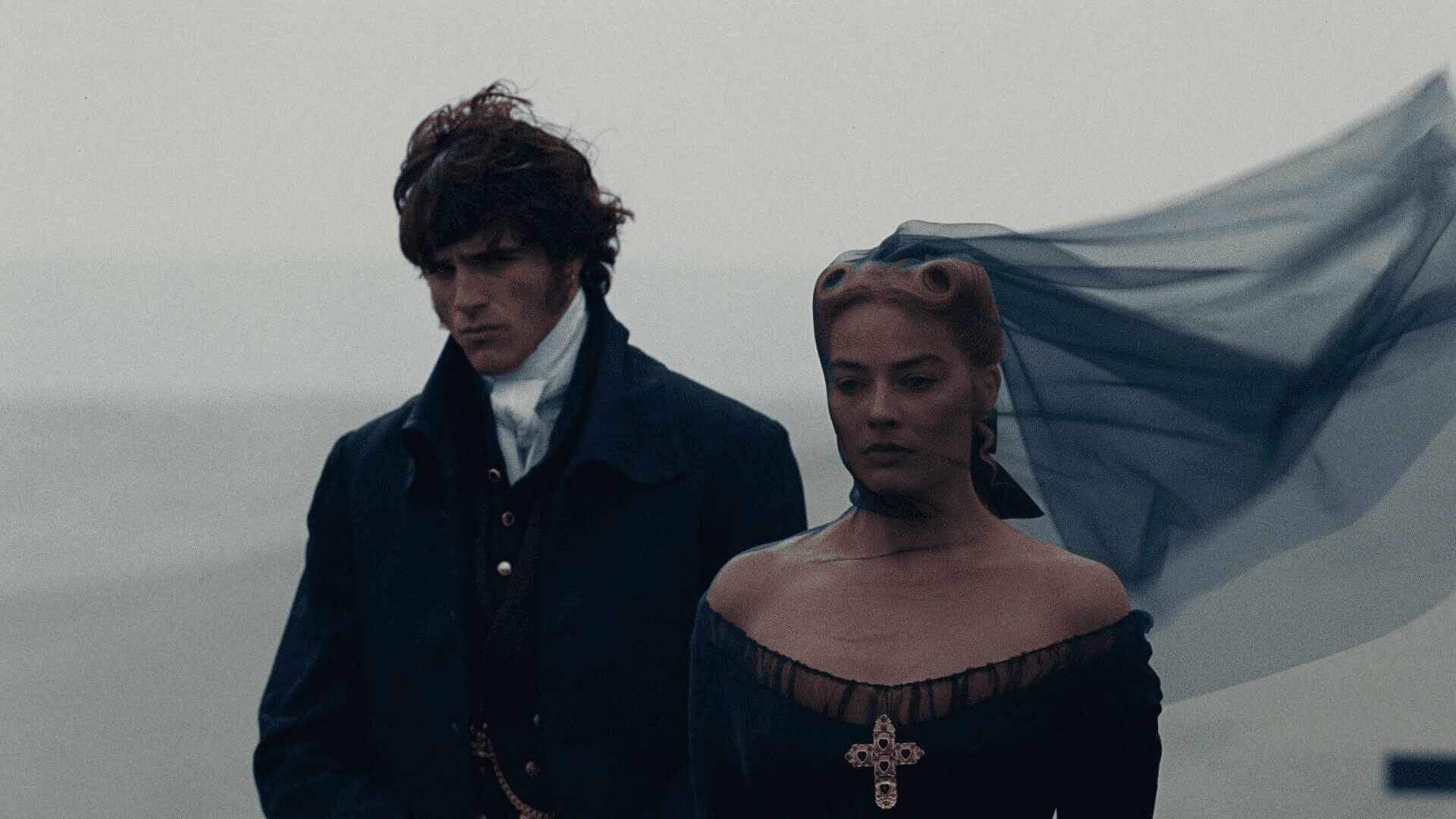
Jacob Elordi and Margot Robbie smoulder, but don’t quite get there.
A little more commitment to the chaos might have helped. Jacob Elordi is compelling, of course. He broods beautifully and looks excellent doing it. But he is not quite the Heathcliff I imagined when I read the novel many moons ago, and I suspect I am not alone in that. Robbie, meanwhile, brings star power and magnetism, yet the chemistry between the pair never quite tips into the all-consuming obsession the story hinges on. The tension the marketing promised never fully materialises.
Jacob Elordi and Margot Robbie smoulder, but don’t quite get there.
Jacob Elordi and Margot Robbie smoulder, but don’t quite get there.
For a film released on Valentine’s Day and described as “inspired by the greatest love story”, it is remarkably chaste. And let’s be clear, the original novel is not a love story in the way the marketing suggests. It is about obsession, cruelty and generational trauma.
So when I attended the Brisbane premiere and later watched TikToks of women sobbing, SOBBING, at Catherine’s death, I was baffled. I found myself looking around thinking, are we watching the same movie? Heathcliff is toxic, Catherine is bratty and destructive, everyone is miserable, you would not want to share a lift with any of them, let alone root for their happily ever after.
And then there are the costumes. I say this as a fashion nut with love in my heart: it feels like the wardrobe department was playing time-period roulette. One minute we’re in something vaguely Regency-adjacent, the next it’s Rococo France, then suddenly we’ve wandered into Bavarian tourist season via a Glinda from Wicked’s Year 12 formal. If you are going to abandon strict period accuracy, fine. But commit to a world.
Perhaps my bigger frustration is this: the film abandons some of the book’s core themes that were genuinely ahead of their time, particularly around race and rigid social hierarchy, yet it does not commit hard enough to the raunchy reimagining to justify the shift. If you are going to strip away Brontë’s grit, at least sex it up.
Instead, it sits in an awkward middle ground. Not faithful enough to be literary. Not wild enough to be scandalous.
A little more commitment to the chaos might have helped. Jacob Elordi is compelling, of course. He broods beautifully and looks excellent doing it. But he is not quite the Heathcliff I imagined when I read the novel many moons ago, and I suspect I am not alone in that. Robbie, meanwhile, brings star power and magnetism, yet the chemistry between the pair never quite tips into the all-consuming obsession the story hinges on. The tension the marketing promised never fully materialises.
"In 2026, if you promise me torrid obsession on the moors, I expect torrid obsession. And frankly, I wanted more."
"In 2026, if you promise me torrid obsession on the moors, I expect torrid obsession. And frankly, I wanted more."
For a film released on Valentine’s Day and described as “inspired by the greatest love story”, it is remarkably chaste. And let’s be clear, the original novel is not a love story in the way the marketing suggests. It is about obsession, cruelty and generational trauma.
So when I attended the Brisbane premiere and later watched TikToks of women sobbing, SOBBING, at Catherine’s death, I was baffled. I found myself looking around thinking, are we watching the same movie? Heathcliff is toxic, Catherine is bratty and destructive, everyone is miserable, you would not want to share a lift with any of them, let alone root for their happily ever after.
And then there are the costumes. I say this as a fashion nut with love in my heart: it feels like the wardrobe department was playing time-period roulette. One minute we’re in something vaguely Regency-adjacent, the next it’s Rococo France, then suddenly we’ve wandered into Bavarian tourist season via a Glinda from Wicked’s Year 12 formal. If you are going to abandon strict period accuracy, fine. But commit to a world.
Perhaps my bigger frustration is this: the film abandons some of the book’s core themes that were genuinely ahead of their time, particularly around race and rigid social hierarchy, yet it does not commit hard enough to the raunchy reimagining to justify the shift. If you are going to strip away Brontë’s grit, at least sex it up.
Instead, it sits in an awkward middle ground. Not faithful enough to be literary. Not wild enough to be scandalous.
For a film released on Valentine’s Day and described as “inspired by the greatest love story”, it is remarkably chaste. And let’s be clear, the original novel is not a love story in the way the marketing suggests. It is about obsession, cruelty and generational trauma.
So when I attended the Brisbane premiere and later watched TikToks of women sobbing, SOBBING, at Catherine’s death, I was baffled. I found myself looking around thinking, are we watching the same movie? Heathcliff is toxic, Catherine is bratty and destructive, everyone is miserable, you would not want to share a lift with any of them, let alone root for their happily ever after.
And then there are the costumes. I say this as a fashion nut with love in my heart: it feels like the wardrobe department was playing time-period roulette. One minute we’re in something vaguely Regency-adjacent, the next it’s Rococo France, then suddenly we’ve wandered into Bavarian tourist season via a Glinda from Wicked’s Year 12 formal. If you are going to abandon strict period accuracy, fine. But commit to a world.
Perhaps my bigger frustration is this: the film abandons some of the book’s core themes that were genuinely ahead of their time, particularly around race and rigid social hierarchy, yet it does not commit hard enough to the raunchy reimagining to justify the shift. If you are going to strip away Brontë’s grit, at least sex it up.
Instead, it sits in an awkward middle ground. Not faithful enough to be literary. Not wild enough to be scandalous.
BASED IN
Los Angeles
Available worldwide
© Georgia Clelland 2026
BASED IN
Los Angeles
Available worldwide
© Georgia Clelland 2026
BASED IN
Los Angeles
Available worldwide
© Georgia Clelland 2026
← BACK TO THE INDEX